Tax Depreciation Schedule Australia
Maximise your investment property tax deductions with a RICS-certified tax depreciation schedule. Covers Division 40 plant and equipment and Division 43 capital works.
About This Service
What Is Tax Depreciation Schedule?
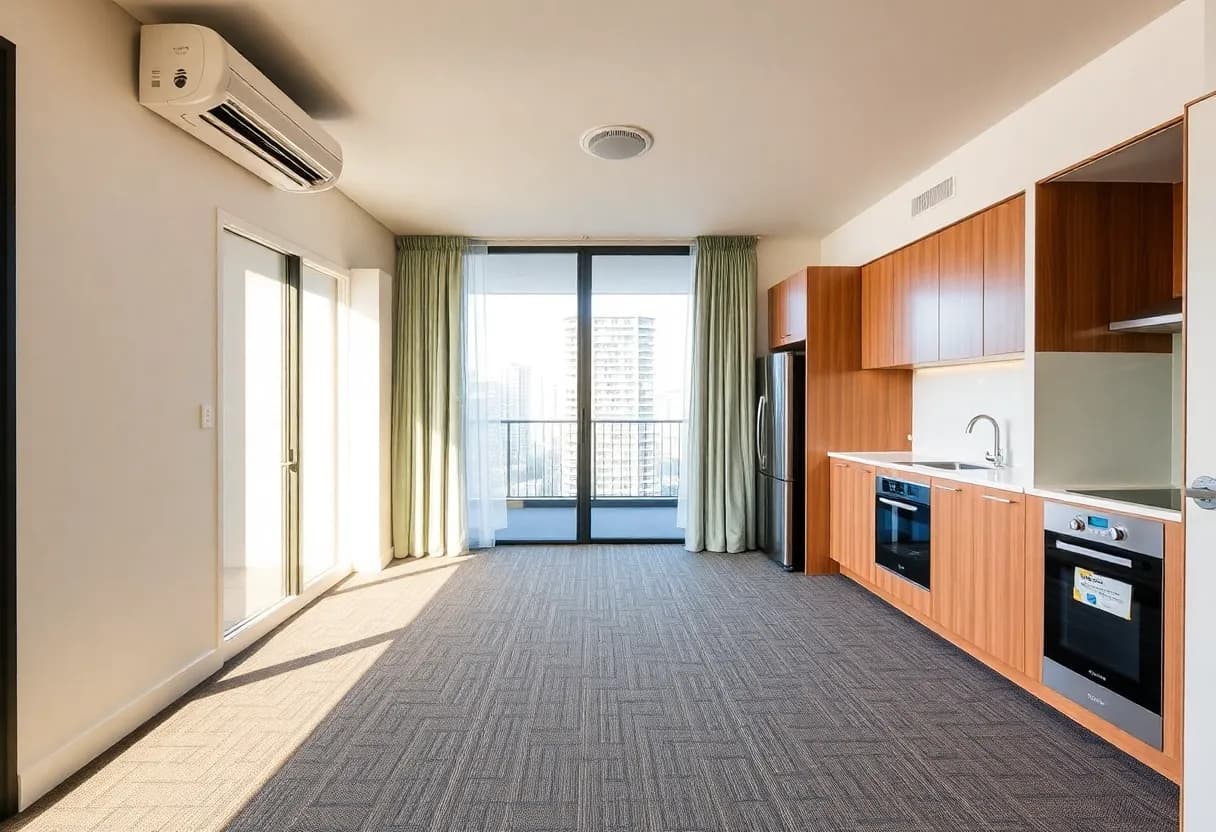
A tax depreciation schedule identifies all depreciable items in an investment property and calculates the tax deductions available to the owner over the effective life of each asset. It covers Division 40 plant and equipment items — such as carpets, appliances, blinds, hot water systems, and air conditioning units — and Division 43 capital works, which relate to the building structure itself, including walls, roofing, and fixed improvements.
Both new and existing properties qualify for depreciation deductions, although the rules differ depending on when the property was built and when plant and equipment items were first used. Properties built after 15 September 1987 are eligible for Division 43 capital works deductions at 2.5% per year, while Division 40 items are depreciated based on their individual effective life as determined by the ATO.
For Division 40 items, the ATO allows two calculation methods, and a professional schedule shows both so your accountant can choose. The diminishing value method front-loads deductions — each year’s claim is a percentage of the asset’s remaining value (200% divided by the effective life) — while the prime cost method spreads the deduction evenly across the asset’s effective life. Effective lives come from the ATO’s published determinations, and low-cost items get accelerated treatment: assets costing $300 or less can generally be written off immediately, and items under $1,000 can enter a low-value pool with higher pooled rates. Your accountant applies the current-year thresholds; the schedule is built so either method can be claimed.
A complete schedule is a one-off document that serves for the life of the investment: it itemises every claimable asset with its value, effective life, and both calculation methods, then projects the deductions year by year for up to 40 years — so it only needs to be commissioned once, and updated only after significant renovations.
Our ATO-compliant tax depreciation schedules are prepared by qualified quantity surveyors and RICS-certified valuers. A thorough on-site inspection ensures that every claimable item is identified and correctly classified. Many investors miss thousands of dollars per year in legitimate tax deductions simply because they have never obtained a professional depreciation schedule. The fee is generally treated as a cost of managing your tax affairs and claimed accordingly — confirm the treatment with your accountant — and a schedule typically pays for itself many times over in the first year alone.
Before commissioning one, it is worth checking that there is something left to claim: three dates decide it, and you can check two of them yourself.
Our Promise
Why Landmark Valuations.

Asset-class expertise
Valuers specialised in the asset type at hand — with current familiarity of the sub-market drivers, tenancy structures, and risk factors that materially shift the figure.

Methodology fit to the asset
Direct Comparison, Income Capitalisation, or Summation — applied to the standard your report needs to meet, with the full evidence trail documented inside the report.
RICS Regulated Firm
Registered with RICS (firm 929744) and prepared to the RICS Red Book Global 2025 — internationally recognised, and accepted by Australian banks, courts and revenue offices across the full range of professional and regulatory use cases.
Compliance
RICS Red Book Compliant.
Every valuation we produce adheres to the Royal Institution of Chartered Surveyors (RICS) Red Book Global Standards 2025 and the International Valuation Standards (IVS). Your report is recognised by banks, courts, the Australian Taxation Office, and regulatory bodies worldwide. RICS regulation brings rigorous quality assurance, professional indemnity insurance, and a complaints handling process that protects your interests at every stage.



Request a Valuation
Tell us about your property.
FAQ
Frequently Asked Questions.
Explore more
Related services.
Other asset types


Related purposes

Further Reading
In-depth on this topic.
- What Is a Tax Depreciation Schedule? Three Dates Decide If You Need OneA tax depreciation schedule lists what an investment property owner can deduct. Whether anything is left to claim turns on three dates — and you can check two of them yourself in five minutes.
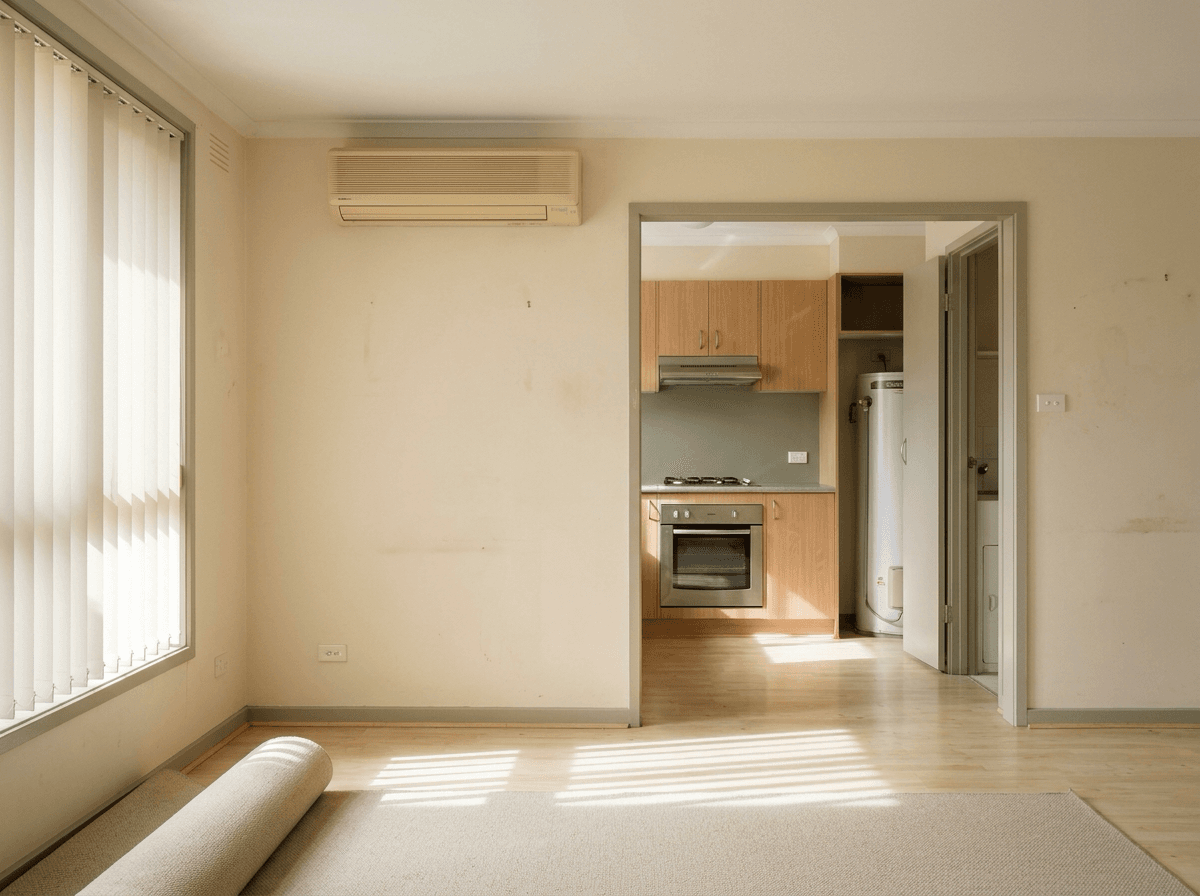
- Renting Out Your Former Home? The CGT Valuation You’ll NeedRent out a former main residence and you may need a market valuation as at the day it first earned income. Here’s when it matters — and when it doesn’t.
- Property Valuation Cost in Australia: 2026 Fee Guide2026 Australian valuation fees: $350–$650 for a standard house, more for commercial, rural or retrospective work. Full guide by property type and purpose.

Coverage
Every state, every territory.
RICS-regulated valuations from Sydney to Hobart, Darwin to Perth, and every postcode in between.