Building Insurance Valuation Australia
RICS-certified building insurance valuations across Australia. Accurate replacement-cost reports that protect against underinsurance for homeowners, commercial property owners, and self-insurers.
About This Purpose
What Is Building Insurance Valuation?
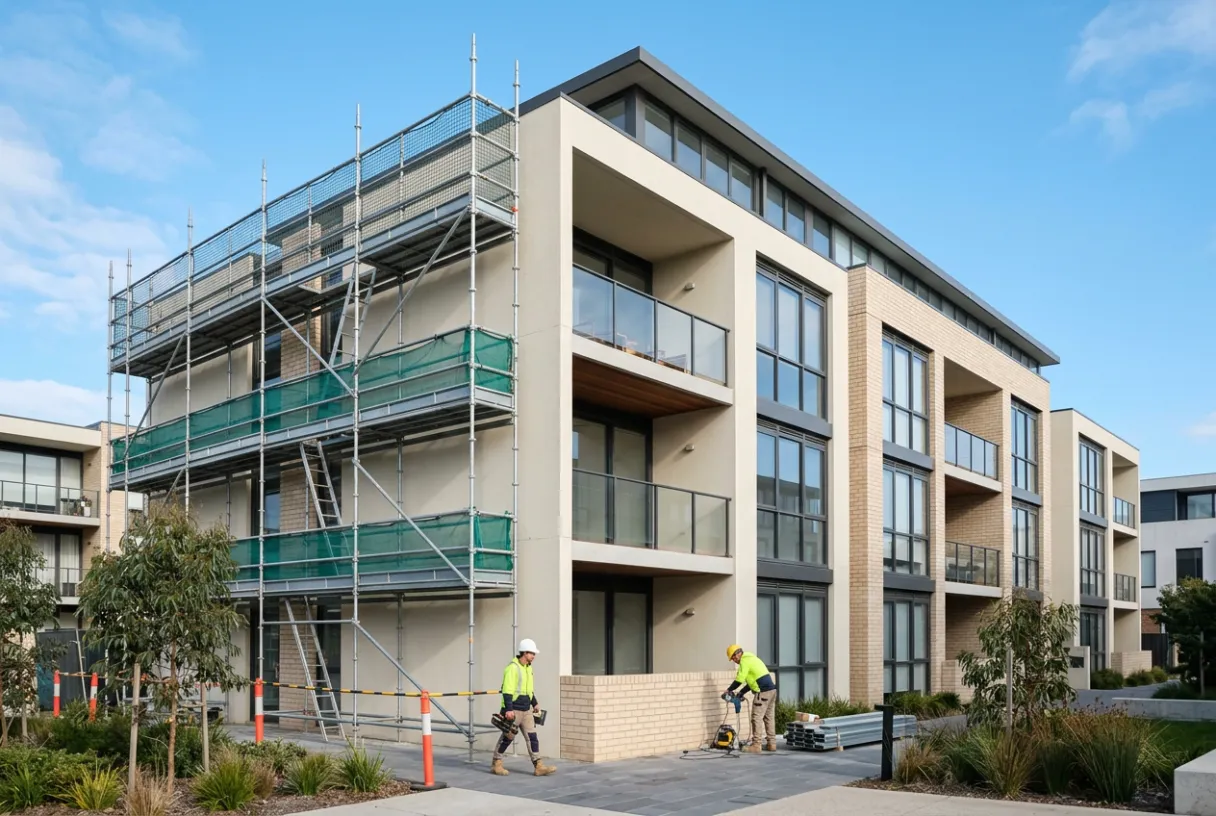
A building insurance valuation determines the full replacement cost of a building — the amount it would cost to demolish the existing structure, clear the site, and rebuild to its current standard. This is fundamentally different from market value, which reflects what the property would sell for in the open market. For insurance purposes, only the replacement cost figure is relevant: it is the figure that determines whether you are adequately insured in the event of a total loss.
Underinsurance is one of the most common — and most costly — risks facing Australian property owners. Construction costs have risen sharply in recent years, particularly for residential building, and many policies that looked adequate even three years ago no longer reflect current rebuild costs. Most policies carry a coinsurance or average clause that reduces a claim to reflect the shortfall, and it applies to partial claims too — so the gap shows up on an ordinary repair long before any catastrophe. The protection differs sharply by property type: on an owner-occupied home, section 44 of the Insurance Contracts Act 1984 (Cth) means the clause cannot reduce a claim at all where the sum insured is at least 80 per cent of value, and measures any reduction below that against an 80 per cent benchmark. Commercial, industrial and investment property get no such safe harbour, which makes an accurate figure considerably more consequential for those owners. Our guide to how a building insurance valuation is built covers the costing bases, the GST split between home and commercial policies, and what has to sit inside the sum insured.
Landmark Valuations provides RICS-compliant building insurance valuations for residential homes, commercial buildings, industrial facilities, and rural properties. Each report calculates current construction costs in the local market, professional fees (architect, engineer, project management), demolition and site clearance costs, council compliance and approval costs, and statutory charges and contingencies. Our reports are accepted by all major Australian insurers and are routinely used by lenders, self-insurers, body corporates outside strata schemes, and corporate property owners as part of their risk management framework.
Our Promise
Why Landmark Valuations.

Accepted where it matters
Reports accepted by all major Australian lenders, the Family Court of Australia, state revenue offices, the ATO, and the regulatory bodies relevant to each purpose.

Tailored to the evidentiary standard
Court-admissible, audit-ready, ATO-defensible, institutional-grade — the report is structured around what your specific purpose actually demands, not a generic template.

Built to withstand challenge
Signed by a Chartered Valuation Surveyor, with the methodology, comparable evidence, and reasoning documented in full. Every value conclusion is built to defend under scrutiny.
Next Steps
What happens after the valuation?
Once the replacement-cost figure is established, you provide it to your insurer to set the sum insured on your building policy. The valuation gives you defensible evidence that the cover reflects current rebuild costs, which protects you against the average clause being applied if you ever need to claim. Many owners review the figure with their broker at renewal.
Because construction costs move over time, the sum insured should be revisited periodically — best practice is every three to five years, or after any major renovation or extension. Keeping the valuation current is the difference between a claim that rebuilds your property in full and one that leaves you funding a shortfall.
Compliance
RICS Red Book Compliant.
Every valuation we produce adheres to the Royal Institution of Chartered Surveyors (RICS) Red Book Global Standards 2025 and the International Valuation Standards (IVS). Your report is recognised by banks, courts, the Australian Taxation Office, and regulatory bodies worldwide. RICS regulation brings rigorous quality assurance, professional indemnity insurance, and a complaints handling process that protects your interests at every stage.



Request a Valuation
Tell us about your property.
FAQ
Frequently Asked Questions.
Explore more
Related purposes.



Further Reading
In-depth on this topic.
- Building Insurance Valuations: Your Sum Insured Is for an Event That Almost Never HappensHow an insurance cost estimate is actually built — reinstatement vs replacement, the GST trap on home policies, and why partial claims are where underinsurance bites.
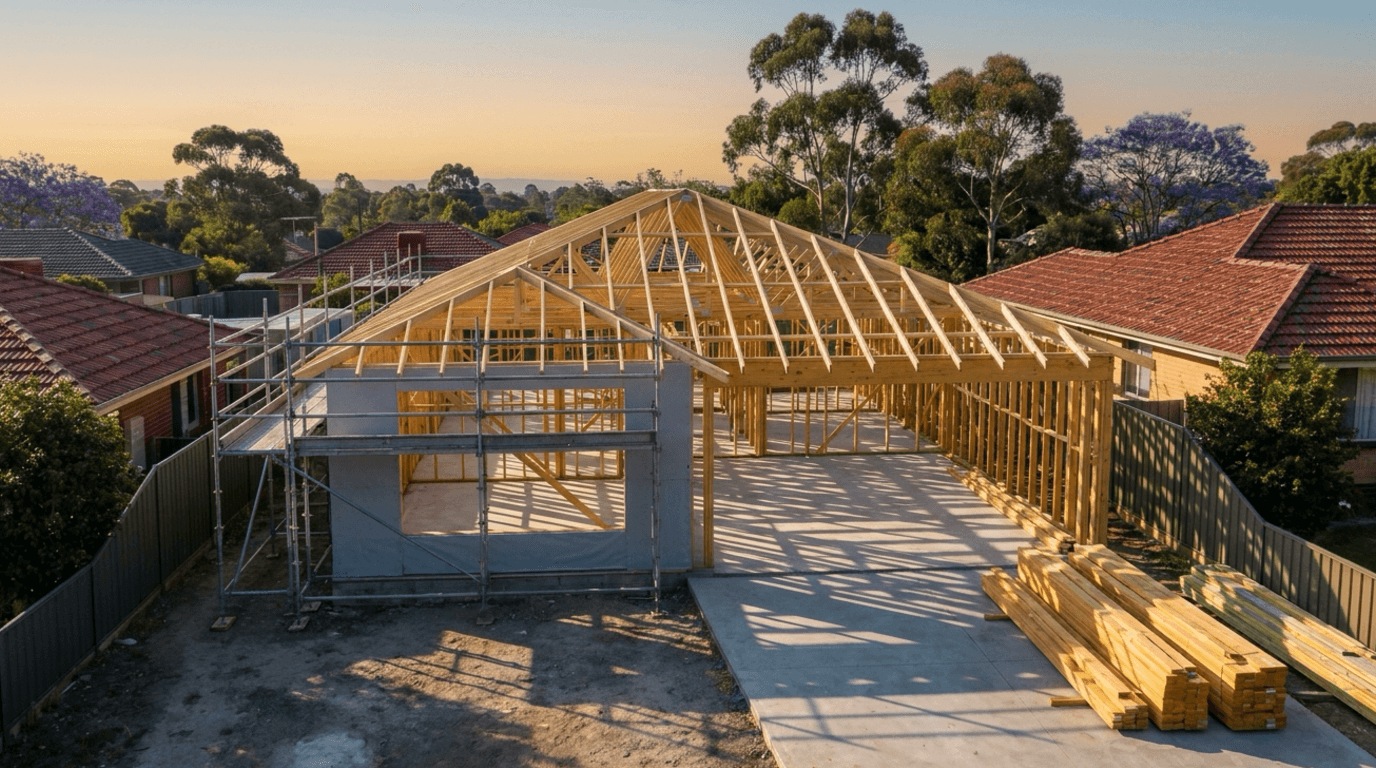
- Replacement Cost vs Market Value: The Insurance Figure That Actually MattersYour home’s market value and its rebuild cost are two different numbers — and confusing them is why most Australian homes are underinsured. Here’s the difference.
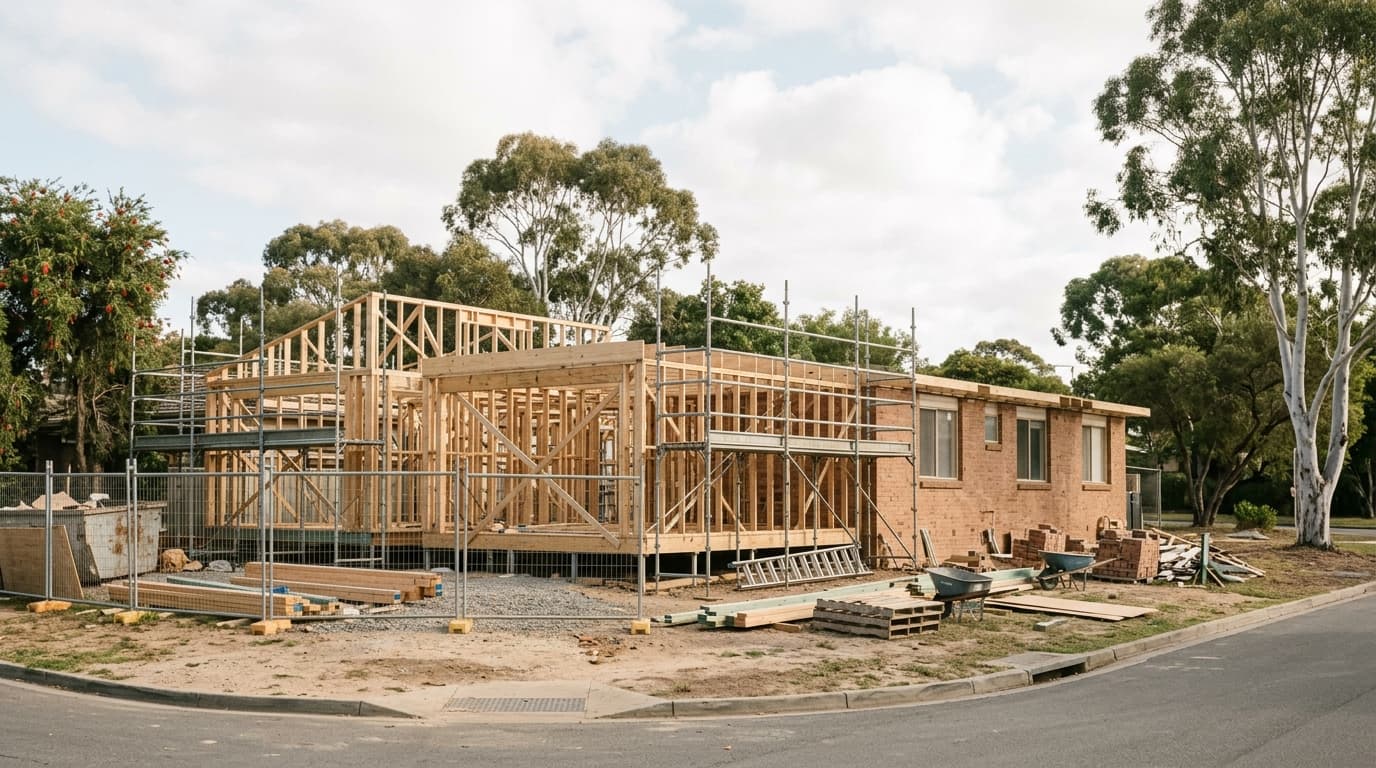
- Construction Costs per Square Metre — Australia 2026What building costs in 2026: new houses average $1,967/m² on ABS data, commercial runs $4,133-$5,009/m², and costs are up 31% in five years.
Coverage
Every state, every territory.
RICS-regulated valuations from Sydney to Hobart, Darwin to Perth, and every postcode in between.